

What Causes Blocked Drains in Country Homes?
By Pukka Plumbing & Gas ·
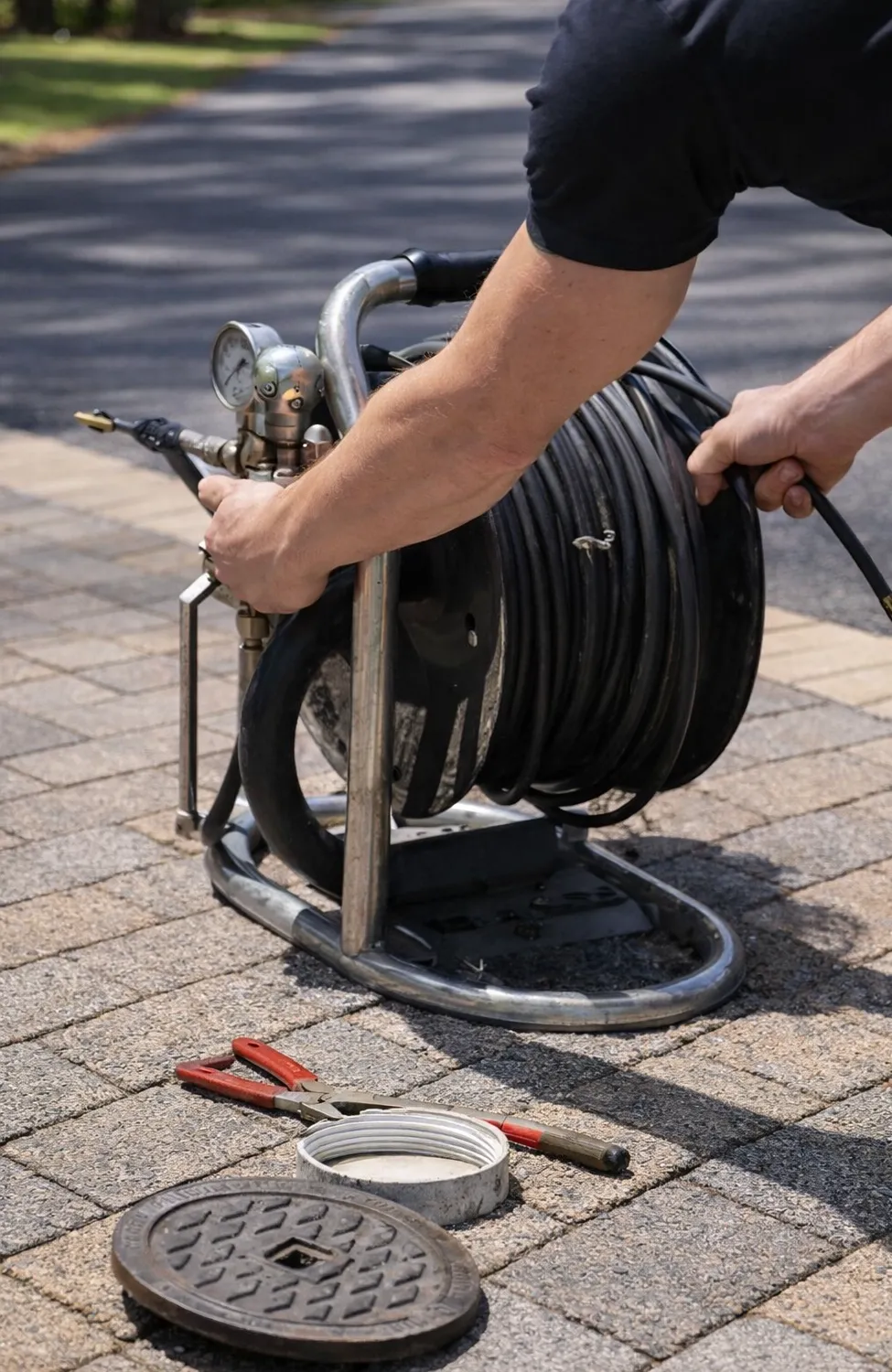
Blocked drains are one of the most common calls we get across the Barossa. In older country homes, the causes tend to be a bit different from a modern house in town, and knowing the cause is the key to stopping it coming back.
Tree roots
Roots are drawn to the moisture in drains and get in through tiny gaps in pipe joints, especially in older earthenware (clay) lines. Once inside they grow into a mat that catches everything. Big gums, peppercorns, fruit trees and windbreaks planted near drains are frequent offenders.
Old pipe that has cracked or moved
Soil movement over decades can crack pipes, open joints or create a dip (a “belly”) where waste settles. These faults often cause the same drain to block again and again, even after it has been cleared.
Drains that were laid too flat
On farmhouses and older homes that have been extended, new drains were sometimes joined in with barely any fall. Without enough slope, solids settle instead of flowing away.
Grease, wipes and food scraps
Fat poured down the sink sets hard in the pipe. Wet wipes don’t break down. Neither is good for any drain, and both are bad news for septic tanks.
Septic tank and outlet problems
If the home is on a septic tank, a blockage might actually be at the tank: a full tank, a broken inlet baffle, or a blocked outlet drain. These need a different fix from a simple drain clean.
How to stop repeat blockages
- Keep fat, wipes and sanitary products out of drains
- Know where your drains run before planting trees
- If one drain keeps blocking, get a camera inspection to find out why
- Have the septic tank pumped when it’s due
This guide is general information only. Every property is different, so call a licensed plumber for advice about your system.