

Maintaining Wastewater Systems on Rural Properties
By Pukka Plumbing & Gas ·
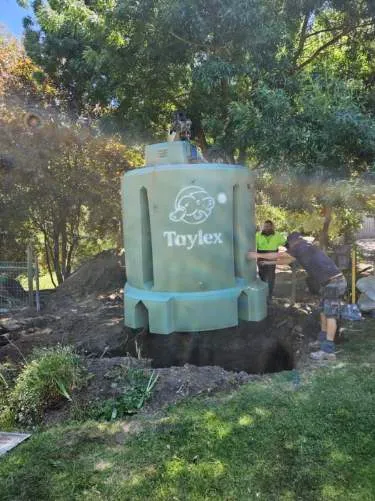
If your property isn’t on sewer, everything that goes down your drains is treated on site. Looking after that system protects your household, your land and nearby waterways, and it’s far cheaper than fixing a failed one.
Know what you have
Rural properties around the Barossa use septic tanks with soakage trenches, aerobic treatment systems (AWTS) that irrigate treated water, or septic tanks connected to a council CWMS. Your council may hold the original approval and plans for your property. It’s worth asking for a copy.
Pump-outs
Septic tanks need pumping out by a licensed liquid waste contractor. South Australian councils generally work on around every four years for a household tank, but larger households or smaller tanks may need it sooner. Light Regional Council runs a four-yearly program for CWMS properties.
Aerobic systems need servicing
Aerobic systems have mechanical parts (blowers, pumps, alarms) and usually need servicing by an authorised technician, generally quarterly, as a condition of approval. Keep the service records.
Everyday habits
- Only toilet paper down the toilet
- Scrape plates, don’t pour fat down the sink
- Use septic-safe cleaners and go easy on bleach
- Spread washing loads across the week
- Keep roof and stormwater out of the system
- Keep vehicles, stock and structures off tanks and trenches
Changes need approval
Installing, altering or decommissioning an on-site wastewater system needs a wastewater works approval from council before work starts. That includes moving or extending irrigation areas and connecting a new building.
Sources
- Light Regional Council: Wastewater, sewer and septic
- Wastewater Works Approval: The Barossa Council (ABLIS)
- The Barossa Council: Community Wastewater Management System fact sheet
This guide is general information only. Every property is different, so call a licensed plumber for advice about your system.