

Why Your Rainwater Pump Keeps Losing Pressure
By Pukka Plumbing & Gas ·
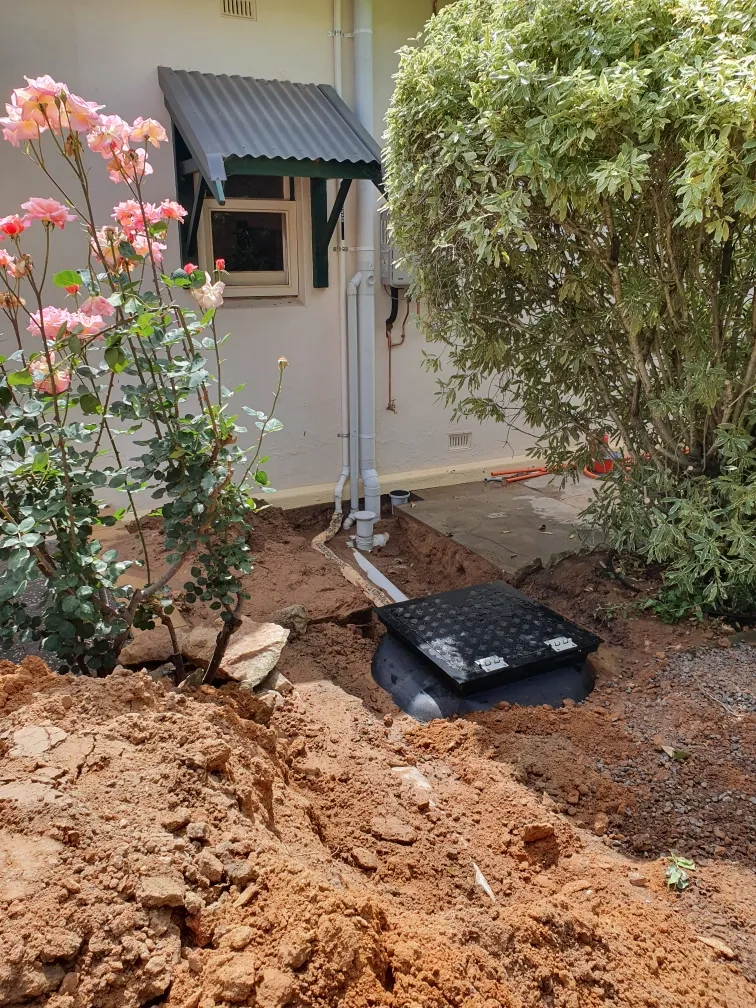
On a tank-fed property the pressure pump does a lot of work, and when it starts misbehaving you notice straight away. Weak showers, a pump that starts with nothing running, or pressure that surges up and down are all common. The pump itself is not always the problem.
1. The pump starts when no taps are on
This is the most common complaint. If the pump kicks in for a few seconds every so often with everything turned off, water is escaping somewhere. Check toilet cisterns first (a cistern that keeps trickling into the pan is enough to trigger the pump), then garden taps, irrigation and any lines to sheds or troughs. If nothing obvious is running, the leak may be underground, or the non-return valve near the pump may no longer be holding pressure.
2. Pressure is weak everywhere
Check the tank level first. If the water is low, the pump may be drawing air or sediment. A blocked inlet strainer or filter will also starve the pump. If those are fine, the pump may be worn, or it may simply be too small for the number of outlets in the house.
3. Pressure surges or pulses
Pressure that rises and falls while a tap is running usually points to a pressure tank that has lost its air charge, a faulty pressure switch or controller, or air getting into the suction line. These are usually repairable without replacing the pump.
4. The pump runs but no water comes out
The pump may have lost its prime, which happens when air gets into the suction side or the tank runs dry. Turn it off to protect it. Running a pump dry can damage the seals quickly.
Simple checks before you call
- Check the water level in the tank
- Listen for running cisterns and check garden taps and irrigation
- Turn every tap off and see whether the pump still starts on its own
- Look for wet patches along the line from the tank to the house
- Note the pump brand and model, and take a photo of the label
Always switch the pump off at the power point before touching it. If the pump is hard-wired, leave electrical work to a licensed electrician. For pump repairs and replacement, see rainwater tanks and pumps.
This guide is general information only. Every property is different, so call a licensed plumber for advice about your system.